
“He can force others to do what he wants, but not me. I don’t like promoting these things in sports.” These powerful words from Eliud Kipchoge, the legendary Kenyan marathon runner, have sparked intense global discussion following accusations leveled against him by U.S. Congressman Mark Takano. The controversy centers on claims that Takano attempted to pressure Kipchoge into participating in LGBT promotional campaigns in the United States and during upcoming marathon events. This incident highlights the ongoing tension between personal beliefs, athletic integrity, and social advocacy in the world of sports.

Eliud Kipchoge stands as one of the greatest marathoners in history, widely celebrated for his extraordinary achievements and disciplined approach to running. Born in Kenya, he has dominated the marathon scene for over two decades, earning two Olympic gold medals and holding the former world record. His philosophy of “no human is limited” has inspired millions worldwide to push beyond perceived boundaries in endurance sports and personal development.
The accusation surfaced amid growing efforts to integrate social causes into major sporting events, including pride-themed initiatives at races in the United States. Mark Takano, a prominent advocate for LGBT rights in Congress, reportedly sought Kipchoge’s involvement in promotional activities tied to these campaigns. Critics argue such requests cross into coercion when directed at international athletes who may hold differing cultural or personal views on the matter.
Kipchoge’s firm refusal emphasizes his commitment to keeping sports focused on performance and competition rather than external messaging. He has long maintained that athletics should remain a pure arena for excellence, free from political or ideological distractions that could divide participants or fans. This stance resonates deeply with many who believe athletes should not be compelled to endorse causes unrelated to their discipline.
Mark Takano responded swiftly with sarcasm, questioning Kipchoge’s gratitude toward global support that elevated his career. The congressman’s remark portrayed the runner as ungrateful, suggesting he now enjoys a lavish lifestyle while declining to contribute to community efforts. This exchange quickly escalated on social media platforms, drawing attention from sports enthusiasts, political commentators, and human rights advocates alike.
In a dramatic turn, Kipchoge countered within minutes by posting a concise ten-word statement that many interpreted as a resounding rebuke. Though the exact wording remains a point of intrigue, its impact was immediate and profound, stunning observers worldwide with its brevity and strength. The response reinforced Kipchoge’s reputation for calm, principled communication under pressure.
This episode underscores broader debates about the role of activism in professional sports. Over recent years, athletes have increasingly faced expectations to use their platforms for social issues, from racial justice to environmental concerns. While some embrace these opportunities, others, particularly from diverse cultural backgrounds, prefer to separate their athletic identities from such advocacy.
Kipchoge’s background in Kenya provides important context for his position. Kenyan society holds traditional views on many social matters, and public endorsement of certain campaigns can carry significant personal or communal implications. Athletes from similar environments often prioritize cultural harmony and focus on their craft without external entanglements.
The marathon itself symbolizes individual perseverance, where success depends on personal discipline, training, and mental fortitude. Kipchoge has exemplified these qualities throughout his career, from his groundbreaking sub-two-hour marathon attempt in Vienna to multiple victories in major city races. His story continues to motivate runners globally to pursue excellence with humility and determination.
Critics of the alleged pressure tactics argue that forcing participation in promotional efforts undermines the voluntary nature of advocacy. True support for any cause should stem from genuine conviction rather than obligation or influence from authority figures. This principle protects athletes’ autonomy and preserves the inclusive spirit of international competition.
Supporters of greater inclusion in sports point out that events like marathons attract diverse audiences and can serve as platforms for positive messages. Pride campaigns aim to foster acceptance and visibility for marginalized communities, potentially enriching the sporting experience for participants and spectators alike. Balancing these goals with individual freedoms remains a complex challenge.
The rapid social media response to the exchange illustrates how quickly controversies can spread in the digital age. Platforms amplify voices on both sides, turning personal disputes into worldwide conversations. Kipchoge’s measured reply demonstrated effective use of brevity to convey deep conviction without escalating conflict further.
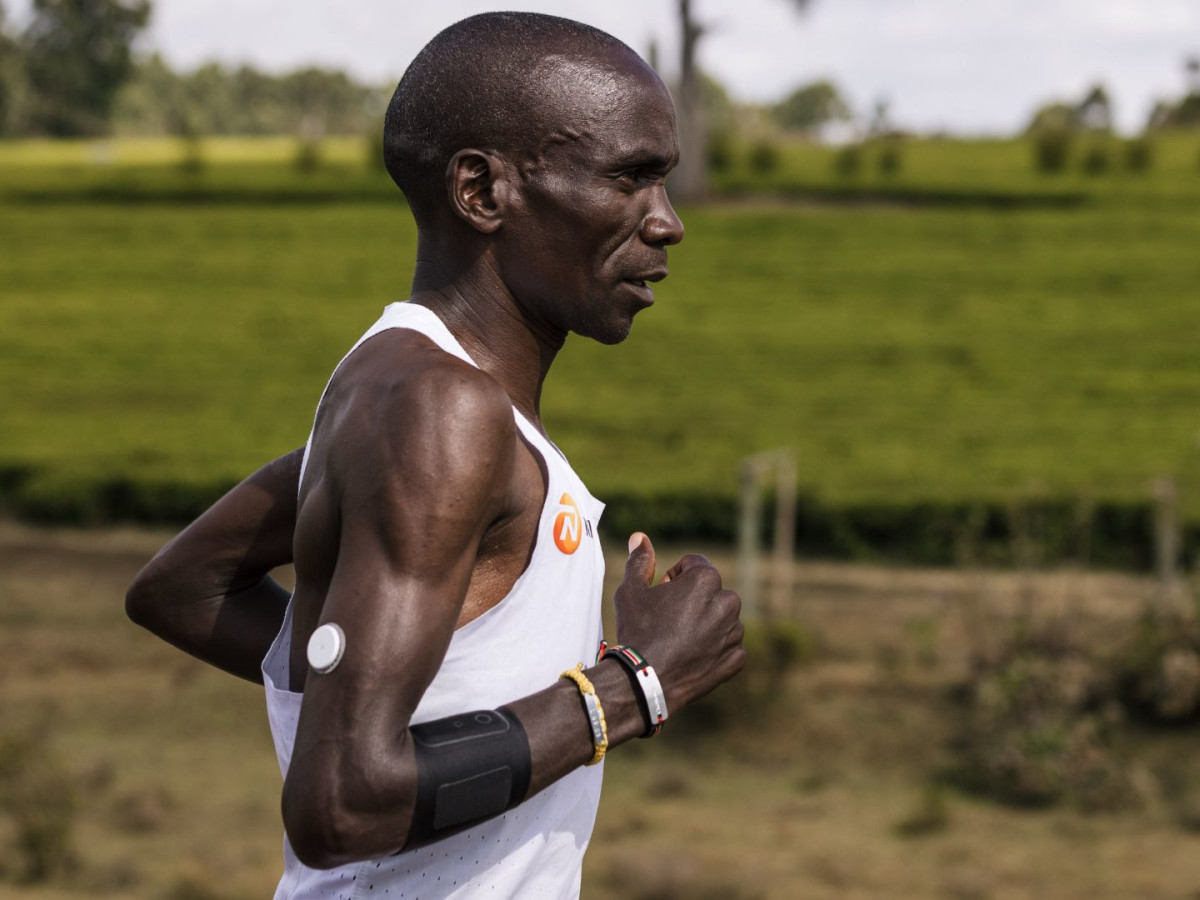
Eliud Kipchoge’s legacy extends far beyond records and medals. Through his Eliud Kipchoge Foundation, he promotes education, sustainability, and health initiatives in Kenya and beyond. His recent plans for a world tour involving marathons across seven continents reflect a shift toward inspiring broader participation in running for meaningful purposes.
This controversy arrives at a pivotal moment in Kipchoge’s career, following challenges in recent seasons and announcements about future endeavors. Despite setbacks, his influence endures, reminding the world that true greatness involves standing firm in one’s principles amid external expectations.
The incident also raises questions about power dynamics between politicians and athletes. When public figures in positions of authority engage athletes on sensitive topics, perceptions of overreach can emerge quickly. Respecting athletes’ boundaries becomes essential to maintaining positive relationships across borders and cultures.
Sports organizations continue navigating these issues by developing guidelines for cause-related activities. Many events now feature optional involvement in campaigns, allowing athletes to choose alignment without pressure. Such approaches promote inclusivity while honoring personal choices.
Kipchoge’s story inspires reflection on the intersection of sport, culture, and society. His refusal highlights the importance of authenticity in public life, encouraging others to voice their beliefs respectfully. It serves as a reminder that diversity in perspectives strengthens rather than weakens the global athletic community.
As the debate unfolds, attention turns to how similar situations might be handled in future events. Marathon organizers may prioritize clear communication about expectations to prevent misunderstandings. Athletes, in turn, can prepare to articulate their positions with the same grace Kipchoge displayed.

Ultimately, this moment reinforces Kipchoge’s enduring message of discipline and focus. By standing resolute, he demonstrates that personal integrity often outshines fleeting controversies. His journey continues to captivate and motivate, proving that true champions define their paths on their own terms.
The world watches as Kipchoge navigates new chapters, from competitive racing to inspirational pursuits. This episode, though contentious, adds another layer to his remarkable narrative, one defined by unwavering commitment to excellence and self-determination in the face of challenges.